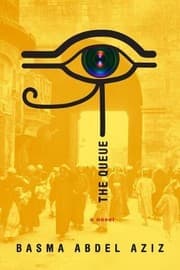
The Queue
Basma Abdel Aziz · 2013
About this book
Citizens wait in an ever-growing line outside a government building called "the Gate" that never opens, in a dystopia inspired by post-revolution Egypt. This Kafkaesque novel captures the bureaucratic absurdity and authoritarian control that pervade Arab political life.
Why read this for language learning
Basma Abdel Aziz's "The Queue" features a clear, accessible Arabic style, making it suitable for intermediate learners interested in contemporary political allegory. It introduces vocabulary related to bureaucracy, authoritarianism, social control, and dystopian themes. The novel offers sharp cultural insights into the challenges of living under oppressive regimes, reflecting on themes of power, resistance, and individual freedom in the modern Arab world. Its engaging narrative and relevant themes make it excellent for discussing contemporary issues in Arabic and understanding social critique.
Vocabulary you will encounter
Start reading in Arabic
Upload any page from The Queue and get sentence-by-sentence translations, grammar notes, and vocabulary building — free.
Start reading for freeMore arabic books
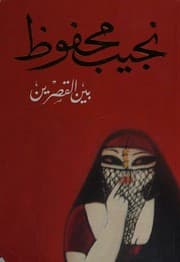
Palace Walk
Naguib Mahfouz · 1956
The first volume of the Cairo Trilogy follows the al-Jawad family through early 20th-century Egypt, revealing the rigid patriarchal customs and intimate domestic life behind closed doors. It is the definitive portrait of traditional Egyptian society navigating the pressures of modernization and British occupation.
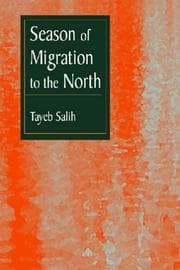
Season of Migration to the North
Tayeb Salih · 1966
This Sudanese novel explores the psychological aftermath of colonialism through a man who returns from England to his village on the Nile. It is essential reading for understanding how the Arab world processes its encounter with the West and the lingering wounds of cultural domination.
Men in the Sun
Ghassan Kanafani · 1963
Three Palestinian refugees attempt to smuggle themselves into Kuwait inside an empty water tank, a journey that becomes an allegory for the Palestinian condition. Kanafani captures the desperation and dignity of displacement that remains central to Arab political consciousness.
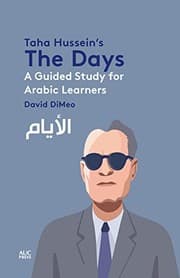
The Days
Taha Hussein · 1929
This groundbreaking autobiography by the "Dean of Arabic Literature" recounts his childhood blindness and journey from a rural Egyptian village to the Sorbonne. It illuminates the transformative power of education in the Arab world and the tension between rural tradition and intellectual modernity.