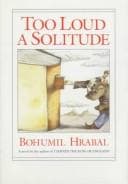
Too Loud a Solitude
Bohumil Hrabal · 1976
About this book
Hrabal's lyrical novella about a man who has spent thirty-five years compacting wastepaper — including banned books — in a hydraulic press is a love letter to literature and a meditation on the destruction of culture. Written during the normalization period when Czech culture was being systematically suppressed, it carries an almost unbearable poignancy. The book embodies the Czech reverence for books and ideas as tools of spiritual survival.
Start reading in Czech
Upload any page from Too Loud a Solitude and get sentence-by-sentence translations, grammar notes, and vocabulary building — free.
Start reading for freeMore czech books
The Good Soldier Svejk
Jaroslav Hasek · 1923
Hasek's unfinished comic masterpiece about an apparently dim-witted soldier who bumbles through World War I is the most beloved Czech novel ever written. Svejk's cheerful subversion of military authority through feigned stupidity embodies a distinctly Czech strategy of resistance — surviving oppression through humor and passive noncompliance. The novel defined Czech national humor and remains a cultural touchstone quoted in everyday conversation.
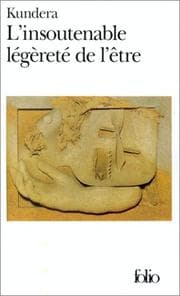
The Unbearable Lightness of Being
Milan Kundera · 1984
Kundera's most famous novel interweaves the love stories of two couples with philosophical meditations on fate, freedom, and the weight of history, all set against the 1968 Soviet invasion of Czechoslovakia. It introduced the world to the Czech experience of living under occupation while maintaining inner freedom. The novel captures the characteristically Czech blend of erotic frankness, philosophical playfulness, and political awareness.
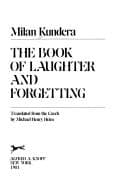
The Book of Laughter and Forgetting
Milan Kundera · 1979
This novel-in-seven-parts explores how totalitarian regimes manipulate memory and how individuals resist through the private acts of remembering and laughing. Kundera's technique of blending fiction, autobiography, and philosophical essay created a new form of the novel. The book is essential for understanding the Czech preoccupation with memory, forgetting, and the political uses of history.
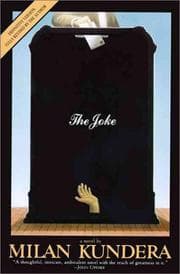
The Joke
Milan Kundera · 1967
Kundera's first novel tells the story of a man whose life is destroyed by a postcard joke about Trotsky, capturing the terrifying consequences of humor under a humorless regime. Published during the Prague Spring, it became a bestseller before being banned after the Soviet invasion. The novel reveals how deeply Czech culture understands the dangerous power of irony and the fragility of personal autonomy.