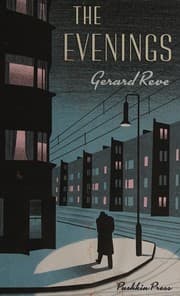
The Evenings
Gerard Reve · 1947
About this book
A young man drifts through ten days of boredom, petty cruelty, and existential dread in postwar Amsterdam. This debut novel defined the mood of an entire generation of Dutch youth and established the unsentimental, darkly comic voice that characterizes modern Dutch fiction.
Why read this for language learning
"The Evenings" is a unique read for intermediate to advanced Dutch learners, offering a deep dive into post-war Dutch urban life. Reve's distinctive, often repetitive and darkly humorous prose, while challenging, provides excellent exposure to colloquial Dutch and a specific literary voice. The detailed descriptions of everyday life and internal monologues expand vocabulary related to domesticity, routine, and psychological states. It offers profound cultural insights into the Dutch psyche and the feeling of disillusionment in the immediate post-war era.
Vocabulary you will encounter
Start reading in Dutch
Upload any page from The Evenings and get sentence-by-sentence translations, grammar notes, and vocabulary building — free.
Start reading for freeMore dutch books
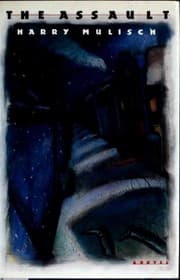
The Assault
Harry Mulisch · 1982
A boy's family is murdered by the Nazis in retaliation for a resistance killing, and the trauma follows him through decades of postwar Dutch life. This internationally acclaimed novel explores how the Netherlands has processed its wartime experience of occupation, collaboration, and guilt.
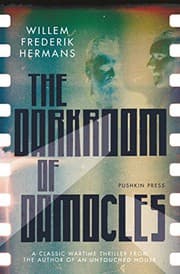
The Darkroom of Damocles
Willem Frederik Hermans · 1958
A man may or may not have a doppelganger who recruited him into the Dutch resistance, in a novel that questions whether heroism and treason can ever be distinguished. Hermans captures the moral chaos of the German occupation that haunts Dutch national memory.
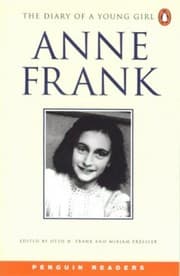
The Diary of a Young Girl
Anne Frank · 1947
A Jewish girl's diary written while hiding from the Nazis in an Amsterdam annex became one of the most read books in history. It is inseparable from Dutch identity, a testament to both the persecution Jews faced and the courage of the Dutch who risked their lives to help.
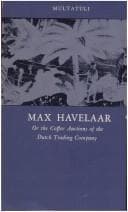
Max Havelaar
Multatuli · 1860
A colonial administrator exposes the brutal exploitation of Javanese peasants by the Dutch East Indies system, in a novel that shook the Netherlands and helped reform colonial policy. It remains the essential Dutch text on colonialism and the moral reckoning that shaped modern Dutch guilt.