
Madame Bovary
Gustave Flaubert · 1857
About this book
A provincial doctor's wife destroys herself pursuing romantic fantasies that reality cannot match. Flaubert's meticulous prose dissects the gap between bourgeois aspiration and provincial boredom, a tension that remains central to understanding French society.
Why read this for language learning
Flaubert's "Madame Bovary" is an advanced study in meticulous French prose. Its sophisticated, often ironic language and detailed descriptions provide an excellent opportunity to master nuanced vocabulary and complex sentence structures. Learners gain cultural insights into 19th-century French provincial life, societal constraints, and the psychological depth of characters. While challenging due to its stylistic precision and extensive vocabulary, reading this masterpiece significantly refines advanced French reading skills and offers a deep dive into literary realism.
Vocabulary you will encounter
Start reading in French
Upload any page from Madame Bovary and get sentence-by-sentence translations, grammar notes, and vocabulary building — free.
Start reading for freeMore french books
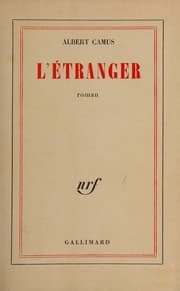
The Stranger
Albert Camus · 1942
A French Algerian man commits a senseless murder and faces trial with disturbing indifference to his own fate. Camus explores the absurdity of existence and the tension between French colonial society and the North African setting that shaped his worldview.
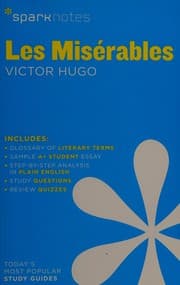
Les Miserables
Victor Hugo · 1862
An ex-convict seeks redemption against the backdrop of post-revolutionary France, from the streets of Paris to the barricades of 1832. Hugo's epic captures the French passion for social justice, the class struggles that defined the nineteenth century, and the enduring idealism of French republicanism.

In Search of Lost Time
Marcel Proust · 1913
A seven-volume meditation on memory, time, art, and the social world of Belle Epoque France. Proust's monumental work is the ultimate expression of the French literary tradition's devotion to psychological subtlety and the art of the sentence.

The Count of Monte Cristo
Alexandre Dumas · 1844
A wrongfully imprisoned sailor escapes and enacts an elaborate revenge on those who betrayed him. Dumas captures the drama of post-Napoleonic France, the obsession with honor and justice, and the swashbuckling storytelling tradition that made French fiction a global phenomenon.