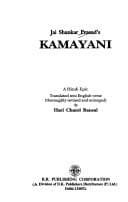
Kamayani
Jaishankar Prasad · 1936
About this book
This epic Hindi poem reimagines the Vedic flood myth to explore the faculties of mind, emotion, and will through allegorical characters. It is considered the finest achievement of the Chhayavaad romantic movement and reflects India's deep engagement with philosophical poetry.
Why read this for language learning
Kamayani is a monumental work for advanced Hindi learners, representing a pinnacle of Chhayavaad (Romanticism) in Hindi poetry. Prasad's Hindi is exceptionally classical, rich in Sanskritized vocabulary, complex metaphors, and philosophical allegory, presenting a significant linguistic challenge. The epic poem introduces a vast vocabulary related to mythology, philosophy, human psychology, and cosmic themes. It offers profound cultural and spiritual insights into Indian philosophical traditions, the origins of humanity, and the interplay of human emotions and intellect. This work is crucial for mastering classical Hindi and appreciating its poetic grandeur.
Vocabulary you will encounter
Start reading in Hindi
Upload any page from Kamayani and get sentence-by-sentence translations, grammar notes, and vocabulary building — free.
Start reading for freeMore hindi books
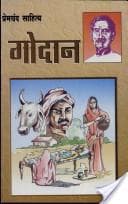
Godan
Munshi Premchand · 1936
Premchand's masterpiece follows a poor farmer's lifelong dream of owning a cow, exposing the crushing weight of caste, debt, and landlord exploitation in rural India. It remains the most important Hindi novel for understanding the agrarian society that still shapes much of Indian life.
Nirmala
Munshi Premchand · 1928
A young woman is married to a much older widower because her family cannot afford a proper dowry, setting off a chain of jealousy and tragedy. This novel lays bare the dowry system and the limited agency of women in early 20th-century Indian society.
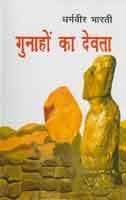
Gunahon Ka Devta
Dharamvir Bharati · 1949
A sweeping love story set against the Indian independence movement, exploring the idealism and disillusionment of a generation that fought for freedom only to face a complex new reality. It captures the emotional landscape of post-independence India with poetic intensity.
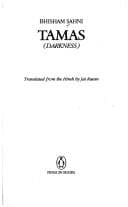
Tamas
Bhisham Sahni · 1974
Set during the 1947 Partition, this novel portrays the communal violence between Hindus, Muslims, and Sikhs through the eyes of ordinary people caught in the madness. It is the definitive Hindi-language account of Partition's human cost and remains painfully relevant.