
Convenience Store Woman
Sayaka Murata · 2016
About this book
A 36-year-old woman finds purpose only as a convenience store worker, defying Japans rigid expectations of marriage and career advancement. This darkly funny novel dissects social conformity and the pressure to be "normal" in contemporary Japan.
Why read this for language learning
"Convenience Store Woman" is an excellent intermediate-level read for Japanese learners, featuring Murata's clear, contemporary prose and unique narrative voice. The language is accessible and direct, exposing learners to everyday vocabulary, work-related terms, and subtle social commentary. It offers fascinating cultural insights into Japanese work culture, societal expectations for women, and the pressures of conformity. This novel is a thought-provoking and engaging read, perfect for learners looking for modern Japanese literature that explores themes of identity and belonging in a relatable context.
Vocabulary you will encounter
Start reading in Japanese
Upload any page from Convenience Store Woman and get sentence-by-sentence translations, grammar notes, and vocabulary building — free.
Start reading for freeMore japanese books
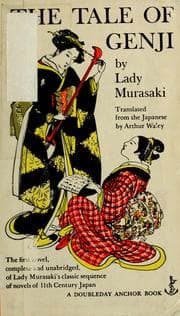
The Tale of Genji
Murasaki Shikibu · 1008
Often called the world's first novel, this masterpiece of Heian court life reveals the aesthetic sensibilities, romantic customs, and political intrigues of classical Japan. It introduces the foundational concept of mono no aware that still permeates Japanese art and daily life.
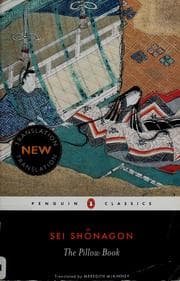
The Pillow Book
Sei Shōnagon · 1002
A witty and deeply personal collection of observations, lists, and anecdotes from a Heian-era court lady. It offers rare insight into aristocratic taste, seasonal awareness, and the sharp social hierarchies that defined classical Japanese culture.
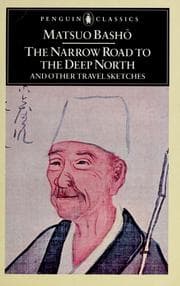
The Narrow Road to the Deep North
Matsuo Bashō · 1702
Bashō's poetic travel journal blends haiku with prose to capture the spiritual dimension of wandering through rural Japan. It embodies the Zen-influenced aesthetic of simplicity and impermanence that remains central to Japanese culture.
Kokoro
Natsume Sōseki · 1914
This deeply moving novel explores guilt, loneliness, and the collision between Meiji-era modernization and traditional values. Sōseki captures the psychological cost of Japan's rapid westernization and the enduring weight of personal honor.