
In Praise of Shadows
Jun'ichirō Tanizaki · 1933
About this book
This celebrated essay on Japanese aesthetics contrasts the Western love of brightness with the Japanese appreciation of shadow, patina, and subtlety. It is essential reading for anyone seeking to understand Japanese design, architecture, and sensibility.
Why read this for language learning
"In Praise of Shadows" is an excellent intermediate-level read for Japanese learners interested in cultural essays. Tanizaki's elegant and reflective prose, while philosophical, is generally accessible, providing exposure to sophisticated descriptive language. Learners will encounter vocabulary related to traditional Japanese aesthetics, architecture, and daily objects. This essay offers profound cultural insights into the Japanese appreciation for subtlety, imperfection, and the beauty found in shadow rather than direct light, making it essential for understanding a core aspect of Japanese artistic sensibility.
Vocabulary you will encounter
Start reading in Japanese
Upload any page from In Praise of Shadows and get sentence-by-sentence translations, grammar notes, and vocabulary building — free.
Start reading for freeMore japanese books
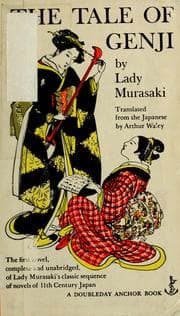
The Tale of Genji
Murasaki Shikibu · 1008
Often called the world's first novel, this masterpiece of Heian court life reveals the aesthetic sensibilities, romantic customs, and political intrigues of classical Japan. It introduces the foundational concept of mono no aware that still permeates Japanese art and daily life.
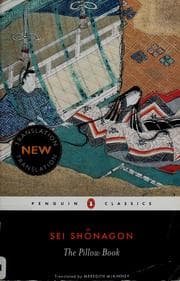
The Pillow Book
Sei Shōnagon · 1002
A witty and deeply personal collection of observations, lists, and anecdotes from a Heian-era court lady. It offers rare insight into aristocratic taste, seasonal awareness, and the sharp social hierarchies that defined classical Japanese culture.
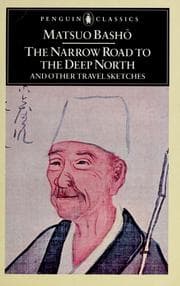
The Narrow Road to the Deep North
Matsuo Bashō · 1702
Bashō's poetic travel journal blends haiku with prose to capture the spiritual dimension of wandering through rural Japan. It embodies the Zen-influenced aesthetic of simplicity and impermanence that remains central to Japanese culture.
Kokoro
Natsume Sōseki · 1914
This deeply moving novel explores guilt, loneliness, and the collision between Meiji-era modernization and traditional values. Sōseki captures the psychological cost of Japan's rapid westernization and the enduring weight of personal honor.