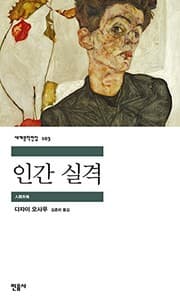
No Longer Human
Osamu Dazai · 1948
About this book
Dazai's semi-autobiographical masterpiece follows a man who feels fundamentally alienated from society. It remains one of the most widely read novels in Japan and captures the anguish of failing to meet social expectations in a conformist culture.
Why read this for language learning
"No Longer Human" is an advanced read for Japanese learners, offering Dazai's raw, confessional prose and a harrowing exploration of alienation. The language is direct yet deeply psychological, exposing learners to vocabulary related to mental states, social interactions, and existential despair. While emotionally challenging, it provides profound cultural insights into post-war Japanese society's anxieties and the struggles of individuals to conform. This novel is essential for understanding the "buraiha" (decadent school) of Japanese literature and its unflinching portrayal of human vulnerability.
Vocabulary you will encounter
Start reading in Japanese
Upload any page from No Longer Human and get sentence-by-sentence translations, grammar notes, and vocabulary building — free.
Start reading for freeMore japanese books
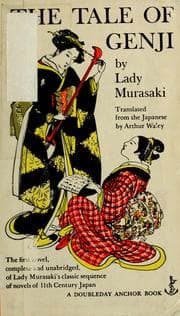
The Tale of Genji
Murasaki Shikibu · 1008
Often called the world's first novel, this masterpiece of Heian court life reveals the aesthetic sensibilities, romantic customs, and political intrigues of classical Japan. It introduces the foundational concept of mono no aware that still permeates Japanese art and daily life.
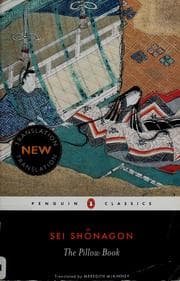
The Pillow Book
Sei Shōnagon · 1002
A witty and deeply personal collection of observations, lists, and anecdotes from a Heian-era court lady. It offers rare insight into aristocratic taste, seasonal awareness, and the sharp social hierarchies that defined classical Japanese culture.
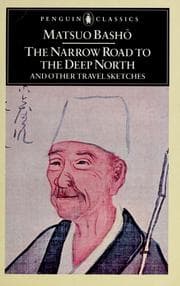
The Narrow Road to the Deep North
Matsuo Bashō · 1702
Bashō's poetic travel journal blends haiku with prose to capture the spiritual dimension of wandering through rural Japan. It embodies the Zen-influenced aesthetic of simplicity and impermanence that remains central to Japanese culture.
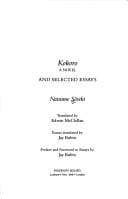
Kokoro
Natsume Sōseki · 1914
This deeply moving novel explores guilt, loneliness, and the collision between Meiji-era modernization and traditional values. Sōseki captures the psychological cost of Japan's rapid westernization and the enduring weight of personal honor.