The Land
Park Kyung-ni · 1969
About this book
An epic multi-volume saga spanning from the late Joseon dynasty through the Japanese occupation. Often called the Korean equivalent of War and Peace, it is the definitive literary chronicle of Korea's painful transition into modernity.
Why read this for language learning
An monumental epic, "The Land" spans generations and crucial periods of Korean history. Its dense, literary Korean prose and vast scope make it an advanced challenge, exposing learners to extensive historical vocabulary, traditional customs, and complex narrative structures. It offers unparalleled cultural and historical insights into the Korean spirit, rural life, and the nation's struggles, making it a pinnacle achievement for dedicated advanced learners. This is a profound immersion into Korean heritage.
Vocabulary you will encounter
Start reading in Korean
Upload any page from The Land and get sentence-by-sentence translations, grammar notes, and vocabulary building — free.
Start reading for freeMore korean books
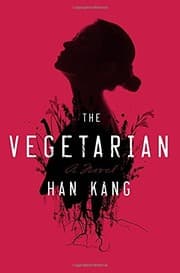
The Vegetarian
Han Kang · 2007
A woman's quiet refusal to eat meat triggers a violent family crisis in this International Booker Prize-winning novel. Han Kang exposes the patriarchal authority, conformity, and suppressed violence that run beneath the surface of Korean family life.
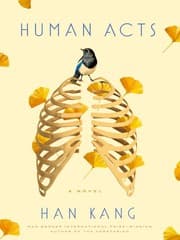
Human Acts
Han Kang · 2014
A devastating polyphonic novel about the 1980 Gwangju Uprising and its lasting trauma. It is essential reading for understanding how state violence shaped modern Korean democracy and collective memory.
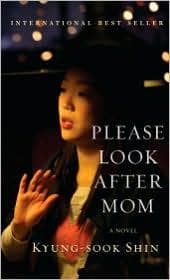
Please Look After Mom
Shin Kyung-sook · 2008
When an elderly mother goes missing in the Seoul subway, her family is forced to confront their neglect and guilt. The novel captures the generational tensions of Korea's rapid modernization and the sacrificial role of mothers in Korean culture.
The Familiar Things
Hwang Sok-yong · 2011
Set on a vast garbage dump, this novel follows marginalized people scraping by on society's waste. Hwang exposes the underside of South Korea's economic miracle and the human cost of unchecked capitalism.