
The Devil to Pay in the Backlands
Joao Guimaraes Rosa · 1956
About this book
An epic monologue by a former bandit in the Brazilian sertao, blending philosophy, folklore, and linguistic invention. Rosa reinvented the Portuguese language in this novel, capturing the oral traditions and spiritual worldview of the Brazilian interior.
Why read this for language learning
This is an advanced and highly challenging read for Portuguese learners due to its experimental language, neologisms, and deep regionalisms from the Brazilian sertão. Guimarães Rosa masterfully crafts a unique linguistic universe, pushing the boundaries of Portuguese expression. While difficult, it offers unparalleled exposure to the richness and flexibility of the language, alongside profound cultural insights into Brazilian folklore, spirituality, and the harsh realities of the backlands. Tackling this book significantly enhances a learner's appreciation for literary innovation and the expressive power of Portuguese.
Vocabulary you will encounter
Start reading in Portuguese
Upload any page from The Devil to Pay in the Backlands and get sentence-by-sentence translations, grammar notes, and vocabulary building — free.
Start reading for freeMore portuguese books
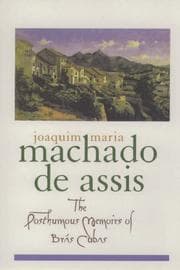
The Posthumous Memoirs of Bras Cubas
Machado de Assis · 1881
A dead narrator tells his life story with biting irony, skewering the vanity and hypocrisy of nineteenth-century Brazilian society. This groundbreaking novel reveals the class structures, racial dynamics, and social pretensions that shaped modern Brazil.

The Hour of the Star
Clarice Lispector · 1977
Lispector tells the story of Macabea, a poor young woman from northeast Brazil adrift in Rio de Janeiro, through a self-conscious male narrator. The novel lays bare the vast inequalities of Brazilian society and the existential struggles of those on its margins.

Blindness
Jose Saramago · 1995
A Nobel Prize-winning allegory in which an epidemic of blindness sweeps through an unnamed city, exposing the fragility of civilization. Saramago captures the Portuguese sensibility of endurance in the face of catastrophe and questions the moral foundations of modern society.
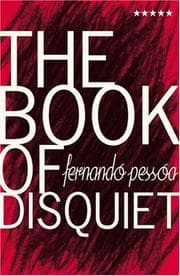
The Book of Disquiet
Fernando Pessoa · 1982
A fragmentary masterpiece attributed to Pessoa's semi-heteronym Bernardo Soares, offering meditations on solitude, dreams, and the mundane beauty of Lisbon. This work is essential for understanding saudade and the introspective nature of Portuguese identity.