
The Brothers Karamazov
Fyodor Dostoevsky · 1880
About this book
Dostoevsky's final novel stages a monumental debate between faith and reason through three brothers who represent different facets of the Russian character. The Grand Inquisitor chapter alone is one of the most discussed texts in Russian intellectual life. The novel encapsulates the spiritual intensity and philosophical ambition that set Russian literature apart.
Why read this for language learning
“The Brothers Karamazov” is a monumental work for advanced Russian learners, offering an unparalleled exploration of philosophical and theological themes. Dostoevsky's intricate narrative and profound dialogues, though lengthy and complex, expose readers to a vast lexicon of abstract concepts, religious terminology, and psychological nuances. This novel provides deep cultural insights into the spiritual and intellectual currents of 19th-century Russia, including its legal system, family dynamics, and the eternal struggle between faith and reason. Tackling this masterpiece will significantly enhance comprehension of sophisticated Russian prose and philosophical discourse.
Vocabulary you will encounter
Start reading in Russian
Upload any page from The Brothers Karamazov and get sentence-by-sentence translations, grammar notes, and vocabulary building — free.
Start reading for freeMore russian books

War and Peace
Leo Tolstoy · 1869
Tolstoy's epic panorama of Russian society during the Napoleonic Wars captures the full sweep of aristocratic life, peasant endurance, and philosophical searching. It reveals how Russians understand their own history as a story of collective resilience against foreign invasion. The novel's deep engagement with fate, free will, and the meaning of patriotism remains central to Russian cultural identity.
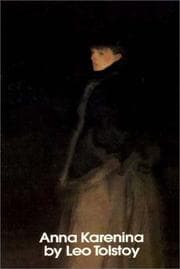
Anna Karenina
Leo Tolstoy · 1878
Through the parallel stories of Anna's tragic passion and Levin's quest for meaning, Tolstoy dissects the moral fabric of nineteenth-century Russian society. The novel illuminates the rigid social codes of the Russian aristocracy and the spiritual crisis that accompanied modernization. Its famous opening line about happy and unhappy families has become a proverb in Russian culture.

Crime and Punishment
Fyodor Dostoevsky · 1866
Dostoevsky's psychological masterpiece about a student who commits murder to test a philosophical theory plunges readers into the moral anguish that defines much of Russian thought. The novel captures the feverish atmosphere of St. Petersburg's poverty and the Orthodox Christian notion of redemption through suffering. It remains the essential introduction to the Russian preoccupation with guilt, conscience, and spiritual rebirth.
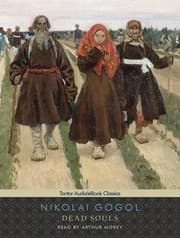
Dead Souls
Nikolai Gogol · 1842
Gogol's satirical novel about a con man buying the rights to deceased serfs is both a biting critique of Russian corruption and a loving portrait of provincial life. Its darkly comic tone established a tradition of absurdist social commentary that runs through Russian literature to this day. The novel reveals how Russians have long used humor to cope with systemic dysfunction.