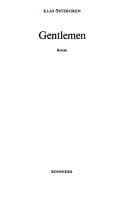
Gentlemen
Klas Ostergren · 1980
About this book
Ostergren's cult novel follows a young writer who befriends a mysterious boxer in 1970s Stockholm, drawing him into a world of jazz, espionage, and Cold War intrigue. It captures the atmosphere of late twentieth-century Stockholm with cinematic vividness and explores the Swedish fascination with American culture. The novel is a love letter to a lost bohemian Stockholm and the Swedish countercultural tradition.
Start reading in Swedish
Upload any page from Gentlemen and get sentence-by-sentence translations, grammar notes, and vocabulary building — free.
Start reading for freeMore swedish books

The Wonderful Adventures of Nils
Selma Lagerlof · 1906
Lagerlof's beloved children's novel about a boy who is shrunk to the size of a thumb and flies across Sweden on the back of a goose was originally commissioned as a geography textbook. It became a national treasure that shaped how Swedes see their own country — its landscapes, folklore, and regional diversity. Lagerlof became the first woman to win the Nobel Prize in Literature, and this book remains the most enduring symbol of Swedish literary culture.
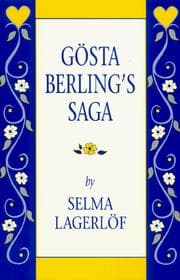
The Saga of Gosta Berling
Selma Lagerlof · 1891
Lagerlof's debut novel, a sprawling romantic tale of a defrocked priest and a community of cavaliers in rural Varmland, revitalized Swedish literature by drawing on folk traditions and oral storytelling. It captures the wild, passionate side of Swedish character that lies beneath the surface of Scandinavian restraint. The novel established Lagerlof as a literary force and demonstrated the richness of Swedish rural culture.

Miss Julie
August Strindberg · 1888
Strindberg's explosive one-act play about a sexual encounter between an aristocratic woman and her father's servant on Midsummer's Eve shattered theatrical conventions and remains one of the most performed plays in the world. It exposes the class tensions and gender conflicts that seethed beneath Swedish society's polite surface. The play established the tradition of psychological realism and social critique that defines Swedish literature.
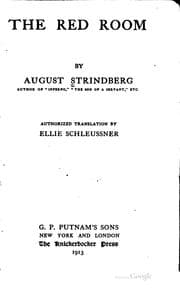
The Red Room
August Strindberg · 1879
Often called the first modern Swedish novel, Strindberg's satirical portrait of Stockholm's artistic and bureaucratic circles introduced naturalism to Scandinavian literature. Its sharp critique of hypocrisy, corruption, and social pretension established the template for Swedish social criticism that continues to this day. The novel is essential for understanding the Swedish literary tradition of exposing the gap between democratic ideals and social reality.