
Khun Chang Khun Phaen
Traditional · 1800
About this book
Thailand's national epic poem, a sprawling tale of love, war, and magic set in the Ayutthaya period. It is foundational to Thai literary culture and reveals the values, humor, and social codes of pre-modern Siam.
Why read this for language learning
"Khun Chang Khun Phaen" is an advanced and essential read for Thai learners interested in classical literature. As a traditional epic poem, it features archaic and highly poetic language, offering unparalleled exposure to classical Thai vocabulary and literary forms. Learners will gain profound cultural insights into ancient Thai society, its values, beliefs, and storytelling traditions, including elements of magic and warfare. While challenging due to its historical language, it's invaluable for understanding the roots of Thai literary and cultural heritage.
Vocabulary you will encounter
Start reading in Thai
Upload any page from Khun Chang Khun Phaen and get sentence-by-sentence translations, grammar notes, and vocabulary building — free.
Start reading for freeMore thai books
The Judgment
Chart Korbjitti · 1981
A quiet villager is destroyed by malicious gossip after caring for a dying woman. This S.E.A. Write Award winner is one of the most important Thai novels ever written and exposes how social reputation and communal judgment can be more powerful than law in Thai rural life.

No Way Out
Chart Korbjitti · 1994
A young man from the provinces tries to survive in Bangkok's brutal urban landscape. Chart Korbjitti captures the disillusionment of rural Thais drawn to the capital and the predatory underside of Thailand's economic boom.
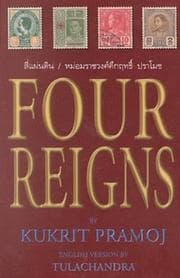
Four Reigns
Kukrit Pramoj · 1953
An epic novel spanning the reigns of four Thai kings, following a woman's life through decades of social transformation. It is the most beloved Thai novel of the 20th century and provides an intimate view of how modernization reshaped Thai court life and society.
Many Lives
Kukrit Pramoj · 1954
A collection of interconnected stories about past lives governed by Buddhist karma. Written by a former prime minister and public intellectual, it offers an accessible window into how Theravada Buddhist beliefs about merit and rebirth shape everyday Thai morality.