
Medea
Euripides · -431
About this book
A foreign woman abandoned by Jason takes the most extreme revenge imaginable, in a play that challenged Athenian assumptions about gender, barbarism, and justice. Euripides gave voice to the outsider and the wronged woman in ways that still provoke modern audiences.
Why read this for language learning
Euripides's "Medea" in its original Ancient Greek is an advanced but highly impactful read. The play's intense emotional language and dramatic dialogue provide a rich vocabulary related to passion, betrayal, and justice. Learners will navigate the nuances of Attic Greek, including Euripides's more "modern" and psychological approach to character. Culturally, it offers critical insights into ancient Greek views on women, foreigners, and the destructive power of unchecked emotion, making it a powerful text for understanding both the language and societal values of the classical era.
Vocabulary you will encounter
Start reading in Greek
Upload any page from Medea and get sentence-by-sentence translations, grammar notes, and vocabulary building — free.
Start reading for freeMore greek books
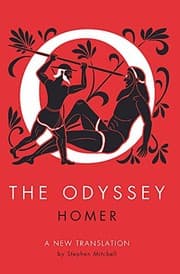
The Odyssey
Homer · -725
The foundational Western narrative follows Odysseus on his ten-year journey home from Troy, encountering monsters, gods, and the temptation to forget who he is. It established the themes of homecoming, cunning, and hospitality that remain central to Greek identity.
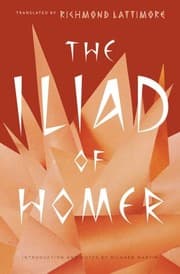
The Iliad
Homer · -750
This epic of the Trojan War explores honor, mortality, and the wrath of Achilles in verse that has defined heroic literature for nearly three millennia. It reveals the Greek obsession with glory, the tragic awareness of human limitation, and the beauty of a doomed world.

Zorba the Greek
Nikos Kazantzakis · 1946
An intellectual narrator is transformed by the irrepressible vitality of Alexis Zorba, a working-class Cretan who dances, fights, and loves without reservation. This novel defined the world's image of Greek joie de vivre and captures the tension between mind and body in Greek culture.

The Last Temptation of Christ
Nikos Kazantzakis · 1955
Kazantzakis reimagines Christ as fully human, tormented by doubt and desire, in a novel that outraged the Orthodox Church but revealed the agonized spirituality at the heart of Greek religious culture. It explores the struggle between flesh and spirit that echoes through Greek thought from Plato to the present.