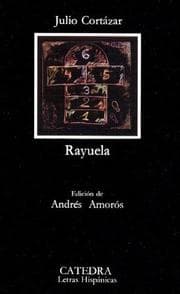
Hopscotch
Julio Cortazar · 1963
About this book
An Argentine intellectual drifts between Paris and Buenos Aires in this formally experimental novel that can be read in multiple sequences. Cortazar embodies the restless cosmopolitanism of Argentine culture and the Latin American literary boom of the 1960s.
Why read this for language learning
Cortázar's experimental novel is highly challenging for advanced Spanish learners due to its non-linear structure, stream-of-consciousness style, and philosophical depth. It exposes readers to a vast, sophisticated vocabulary and complex sentence structures, pushing linguistic boundaries. It offers unique cultural insights into intellectual life in 20th-century Paris and Buenos Aires, rewarding those seeking a profound linguistic and literary challenge and an exploration of narrative innovation.
Vocabulary you will encounter
Start reading in Spanish
Upload any page from Hopscotch and get sentence-by-sentence translations, grammar notes, and vocabulary building — free.
Start reading for freeMore spanish books
Don Quixote
Miguel de Cervantes · 1605
The founding novel of Western literature follows a deluded knight and his pragmatic squire across the plains of Spain. Cervantes created a portrait of Spanish idealism and disillusionment that remains central to Hispanic cultural identity four centuries later.
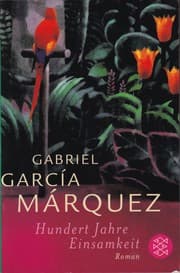
One Hundred Years of Solitude
Gabriel Garcia Marquez · 1967
The Buendia family saga in the fictional town of Macondo spans a century of Colombian and Latin American history told through magical realism. This novel defined a literary movement and captures the cyclical nature of Latin American politics, violence, and resilience.
Ficciones
Jorge Luis Borges · 1944
A collection of labyrinthine short stories that blur the boundaries between philosophy, mathematics, and fiction. Borges reshaped world literature from Buenos Aires, and these stories reveal the intellectual playfulness and cosmopolitan spirit of Argentine culture.
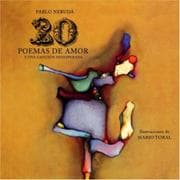
Twenty Love Poems and a Song of Despair
Pablo Neruda · 1924
Neruda's early poetry collection captures youthful passion and heartbreak against the landscapes of southern Chile. These poems became iconic across the Spanish-speaking world and demonstrate how deeply poetry is woven into Latin American daily life and identity.